Upholstery Cleaning by Fabric Type: A Practical Guide
The tag under the cushion decides more than the stain does. Here is how cotton, linen, wool, microfiber, velvet and leather each get cleaned, and what goes wrong when they are all treated the same.
Sherlock Holmes Cleaning · Upholstery guide
The fabric decides the method, not the stain
A lot of upholstery damage is not caused by dirt. It is caused by the cleaning. A sofa scrubbed with the wrong product, soaked with too much water or left to dry too slowly can shrink, turn brown, bleed dye or lose its nap in a single afternoon.
The fix is boring and reliable: identify the fibre first, test a hidden spot, then match the chemistry and the amount of moisture to what the fabric can take. On Cape Cod there is a second layer to it, because salt air, beach sand and summer humidity change what a sofa is carrying long before anyone spills on it.
Start with the care code under the cushion
Almost every sofa and armchair sold in the US carries a cleaning code, printed on a tag under the seat cushion or on the deck beneath it. It is a single letter or two, and it is the most useful thing you can read before anything touches the fabric.
W means water-based cleaners are safe. S means solvent only, because water itself can leave rings or shrink the fabric. W/S, sometimes written SW, means either method works with care. X means vacuum only: no water, no solvent, and nothing beyond dry soil removal.
A missing tag, or one faded past reading, is common on older Cape furniture and on pieces that came with a rental. In that case we treat the fabric as the most delicate thing it could be until a test spot proves otherwise.
Three Cape Cod problems your sofa already has
Even a sofa that looks clean in a coastal house is usually carrying three things that a sofa inland is not.
Sand in the seams
Fine beach sand settles into welting, under cushions and deep into the weave. Every time someone sits down it grinds against the fibres, which is why arms and seat fronts wear thin first.
Salt and humidity
Salt pulls moisture out of the air. Fabric that holds salt stays slightly damp through a humid August, and damp fabric in a closed-up house is where mildew and that musty smell begin.
Sunscreen and body oil
In rentals and beach houses, sunscreen and skin oil build up on headrests and arms. They darken the fabric so slowly that nobody notices until a cushion is flipped and the difference shows.
Fabric by fabric: what actually works
Here is the short version of how each common upholstery fibre gets cleaned, and the mistake that ruins it. If your piece is a blend, the most delicate fibre in the blend sets the rules.
Natural fibres
- Cotton: usually W or W/S. Low moisture and fast drying, or it can brown along the edges as it dries.
- Linen: the same browning risk as cotton, plus shrinkage. Never saturate it, and leave covers on the cushions while they dry.
- Wool: tough and stain resistant, but alkaline cleaners damage it. It needs a wool-safe, near-neutral product.
- Silk and silk blends: often S or X. Dry solvent methods only, with a spot test every time.
- Leather: not a fabric job at all. A pH-balanced leather cleaner, then conditioner, never shampoo.
Synthetics and pile
- Microfiber: often S coded even though it looks tough. Water can leave rings, so read the tag first.
- Olefin and acrylic: the most forgiving fibres, common on porch and outdoor cushions. Water-based cleaning is usually fine.
- Nylon blends: handle hot water extraction well and release most everyday stains.
- Velvet and chenille: the pile crushes. Light moisture, then brushing in one direction while it dries.
- Microsuede: solvent cleaning, then brushing to bring the nap back up.
How a professional clean avoids the damage
Test first, then pre-treat
Before any cleaner goes on, we check for dye bleeding by dampening a hidden spot, usually the back of a skirt or the underside of a cushion, and blotting it with a white towel. If colour transfers, the method changes. Then the high-contact areas such as arms and headrests get a pre-treatment matched to the fibre, which loosens body oil and sunscreen so the rinse can carry it away.
On water-safe fabric, the cleaning itself is a low-moisture rinse and extraction: a light pass of solution followed straight away by vacuum recovery. On solvent-only fabric it is a dry solvent process with no water at all. Either way, the goal is to put in as little liquid as the job needs and pull back out as much as possible.
Drying is half the job
Most upholstery dries in a few hours with good airflow. In a Cape house in July, with the windows shut and the air already heavy, it can take much longer, and slow drying is exactly what causes browning in cotton and linen and stale smells in cushions. We set up air movement before we leave, and in a humid house we ask for the air conditioning or a dehumidifier to stay on until the fabric is dry.
A quick check before you call anyone. Unzip one seat cushion and look at the foam inside. If it is yellowed and crumbly, or smells musty, cleaning the cover alone will not fix the smell. Mention it when you book, because a tired insert changes what can realistically be achieved.
We clean upholstery in Mashpee, Falmouth and Chatham, along with every other town on the Cape. Read more about our upholstery cleaning service, or find your town on the full service area list.
Upholstery cleaning on Cape Cod: common questions
How long does upholstery take to dry after cleaning?
Usually a few hours with good airflow. Thick cushions, natural fibres and humid summer days can stretch that to overnight. Running the air conditioning or a dehumidifier speeds it up noticeably.
Can you clean a sofa with an S or X code?
S-coded fabric is cleaned with a dry solvent method and no water. X-coded fabric is the most limited: vacuuming and dry soil removal only. We will tell you honestly what is achievable before we start.
Do you clean leather furniture?
Yes, but leather is cleaned and conditioned rather than shampooed. Aniline and unfinished leathers absorb liquid quickly, so we identify the finish before choosing a product.
Will cleaning remove pet odor from a couch?
Surface odor usually goes. If urine has soaked into the cushion foam or the frame, cleaning the cover cannot fix it, and we will tell you so after the inspection rather than after the invoice.
Should upholstery be cleaned before or after carpets?
Upholstery first, carpet second. Any drips or soil that fall during the upholstery work land on a carpet that is about to be cleaned anyway. Booking both in one visit is also usually more economical than two separate trips.
Want a real number for your furniture?
Tell us the pieces, the fabric if you know it, and your town. We will reply with a written price, with no pressure and no obligation.
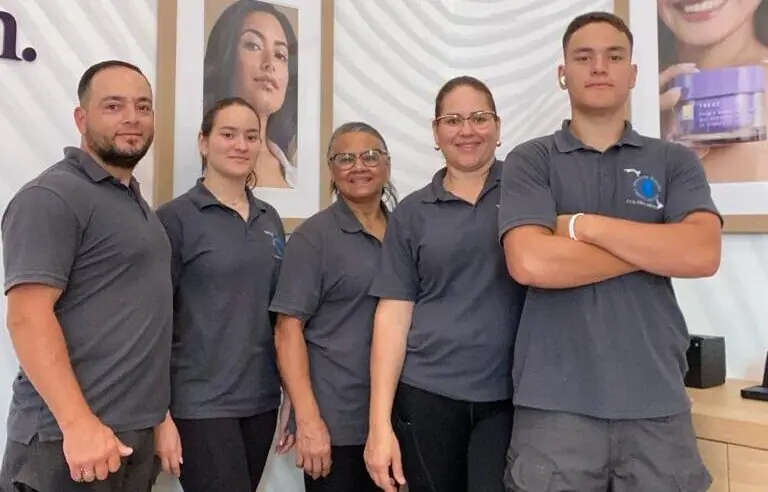
The Sherlock Holmes Cleaning team
Everything here comes from the crews doing the work, not from a copywriter. We started by cleaning and disinfecting businesses during the pandemic, then reinvested in carpet, upholstery, power washing and restoration equipment. Today we clean houses, seasonal rentals and businesses from Bourne to Provincetown, with insured, background-checked crews and a written price before anyone starts.
Nine services, one crew, the whole Cape
Keep reading
September 7, 2026
Why Cape Cod Windows Get Hazy: Salt Spray Explained
September 28, 2026
Nor’easter Water Damage: When to Call a Restoration Crew
September 4, 2026