Salt Air and Sand: Why Cape Cod Carpets Wear Out Faster
A carpet can be spotless and still look worn out. On the coast the damage is usually mechanical, not a stain, and by the time you see it the fibre is already cut.
Sherlock Holmes Cleaning · Why coastal carpet fails
Two problems, and neither one is dirt
Carpet in a Cape Cod house does not fail the way carpet fails inland. It fails faster, it fails in patches, and it usually fails in the rooms nearest the door.
The first problem is abrasive. The second is a moisture problem that never quite announces itself. Together they shorten the life of a carpet by years, and neither one responds to vacuuming.
Sand is an abrasive, not a mess
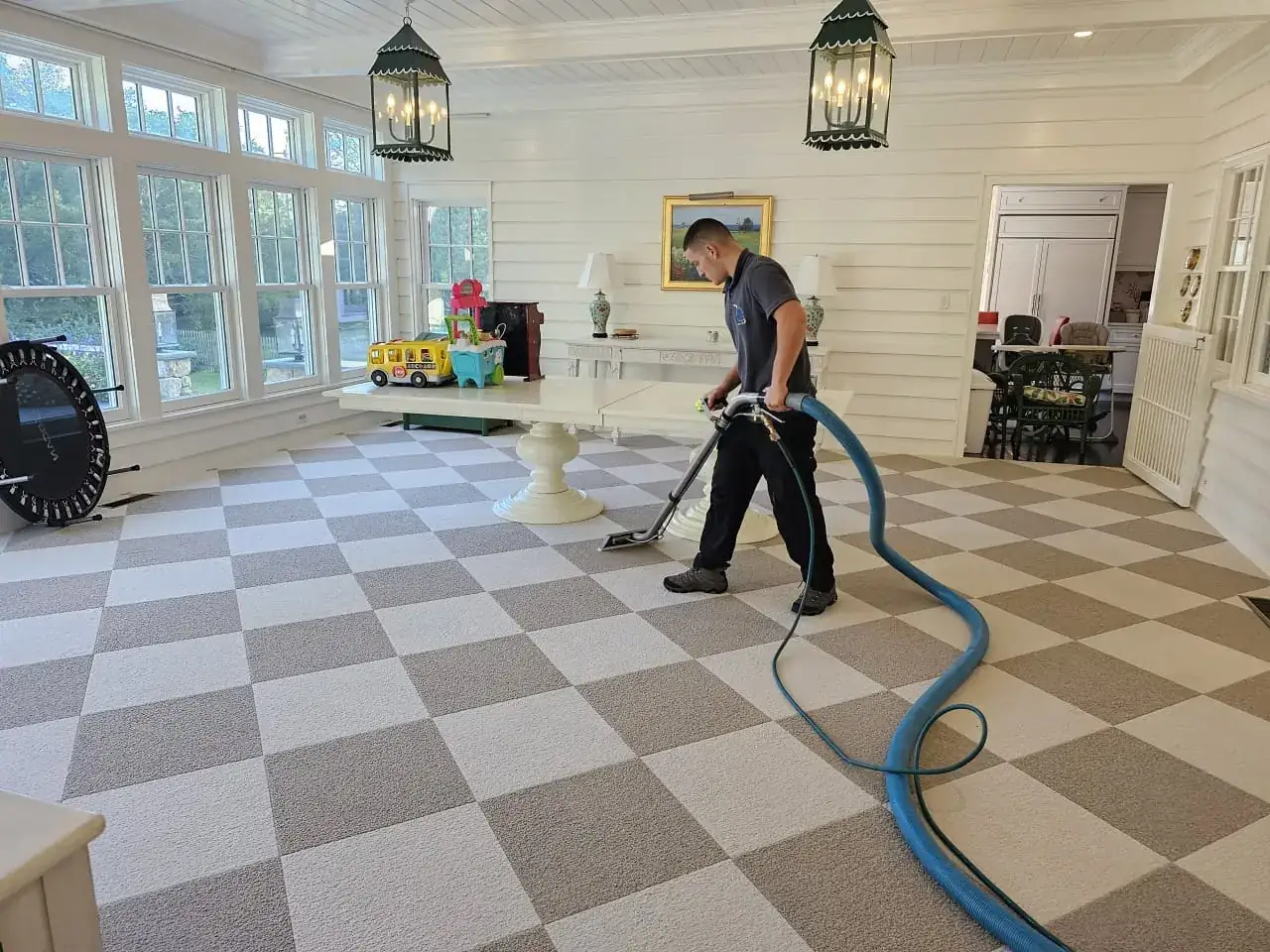
Beach sand on the Cape is mostly quartz. On the Mohs hardness scale quartz sits at 7. Nylon carpet fibre sits somewhere around 2. Every grain that reaches the base of the pile is a small piece of rock lying against a soft fibre, and every footstep grinds the two together.
The damage is mechanical and permanent. A stain can be lifted. A fibre that has been sawn through cannot be put back. That is why a carpet can be clean and still look tired: the colour is fine, but the pile has lost the ability to stand up, so it lies flat and reflects light differently. The dull grey lane running from the back door to the kitchen is not dirt. It is cut fibre.
What the coast does that an inland house never sees
Three forces, working on the same carpet at the same time.
Abrasion from sand
Quartz against nylon. The grit reaches the backing, stays there, and every step turns it into a cutting edge. Most household soil arrives on shoes, and near the water a good share of it is sand.
Salt that holds moisture
Salt is hygroscopic: it pulls water vapour out of the air and keeps it. A carpet carrying salt residue is never quite dry, which is exactly the condition mould and mildew need.
Coastal humidity
Barnstable County runs humid from June through September, and waterfront properties run more humid than inland ones. Padding absorbs that moisture and releases it slowly.
How to look after carpet on the coast
The usual advice assumes a suburb. Here is the same advice adjusted for a house with sand at the door.
Change these habits
- Vacuum slowly, not often. Three slow passes beat ten fast ones
- Use a beater bar on cut pile, suction only on loop pile
- Trap the sand before it lands: coarse mat out, absorbent mat in
- Shake both mats weekly, or they become the source
- Target 50 percent relative humidity or lower indoors
Change what you ask the cleaner for
- Deep clean the rooms near the doors twice a year, not once
- Ask for a clear-water rinse pass, which is what removes salt
- Low-moisture and dry methods clean soil but leave salt behind
- Have rugs washed off site, on both sides, and dried properly
- Flag wool and antique rugs before anyone touches them
Where it is already too late, and what to do then
Cut fibre does not come back
If the pile in a traffic lane stays flat after a deep clean, the fibre is cut. Cleaning will not restore it. What cleaning does at that point is stop the same thing happening to the rooms behind it, which in most Cape houses is the decision actually on the table.
Rugs are easier to rescue than wall-to-wall
A rug can be taken away, washed on both sides, rinsed properly and dried flat in controlled conditions. Wall-to-wall carpet has to be cleaned where it lies, over padding that holds whatever it is given. If you have a choice about which to save first, save the rug.
A quick test. Wet your fingertips and press them into the base of the carpet in the busiest doorway. Gritty means the sand is at the backing. Slightly cool and slow to dry means salt is holding moisture there too.
We clean carpets and rugs across the Cape, including Falmouth, Mashpee and Hyannis. Every town we cover is listed with what the work involves.
Salt, sand and carpet: common questions
Does salt really stay in a carpet?
Yes, unless something rinses it out. Salt dissolves in water, so a hot water extraction with a clear-water rinse pass removes it. A dry or low-moisture clean lifts soil but leaves the salt in place.
Will a dehumidifier fix the musty smell on its own?
It helps, but it treats the symptom. The smell comes back because the salt in the backing keeps pulling moisture out of the air. Take the salt out and the dehumidifier finally has a chance.
Is beach sand worse than ordinary dirt?
Much worse, because it is harder than the fibre. Ordinary household dust is soft and lifts out. Quartz sand cuts, and the cut is permanent.
How close to the water does this start mattering?
Closer than people expect. Measurable salt deposition happens several miles inland, and a strong nor’easter carries it further. If you can smell salt in the air on a windy day, it is landing on your floors.
Can you save a carpet that already looks worn in the lanes?
We can make it clean and stop the damage spreading. We cannot rebuild cut fibre. Come and look at it with us before you spend money on replacement you may not need yet.
Get the sand out before it costs you a carpet
Tell us the rooms and how close you are to the water. We send a written price, with what is and is not included, and no obligation attached.

The Sherlock Holmes Cleaning team
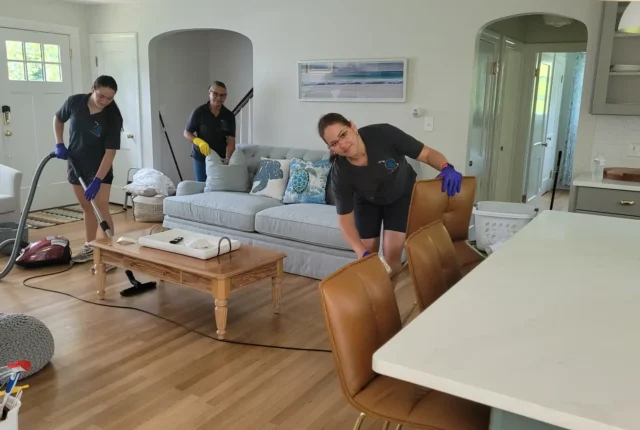
Everything here comes from the crews doing the work, not from a copywriter. We started by cleaning and disinfecting businesses during the pandemic, then reinvested in carpet, upholstery, power washing and restoration equipment. Today we clean houses, seasonal rentals and businesses from Bourne to Provincetown, with insured, background-checked crews and a written price before anyone starts.
Nine services, one crew, the whole Cape
Keep reading
September 4, 2026
First 24 Hours After a Basement Flood: What to Do
September 7, 2026
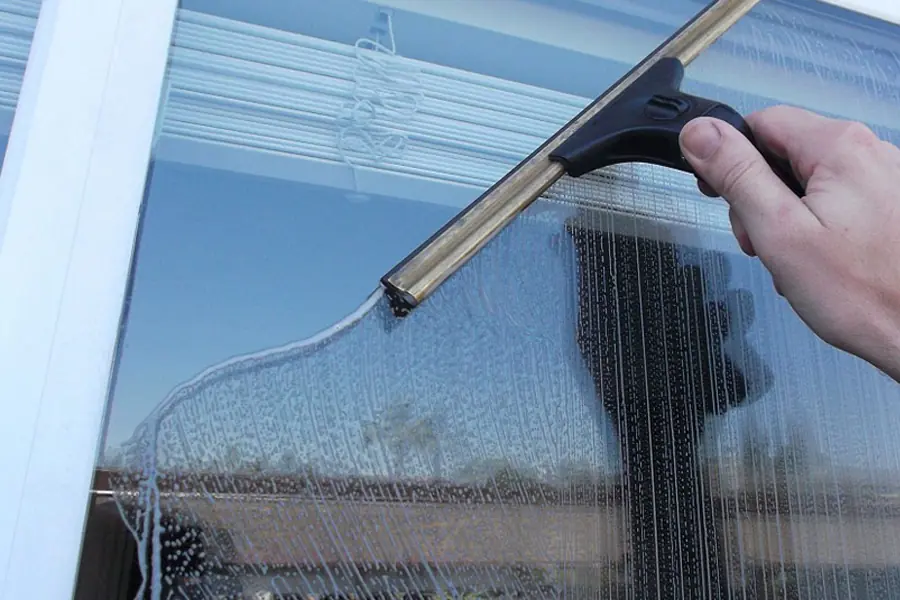
Why Cape Cod Windows Get Hazy: Salt Spray Explained
September 10, 2026