Removing Pet Stains from Carpet Without Damaging the Fibers
The first ten minutes decide whether a pet accident becomes a permanent mark. Here is what to do, what to avoid, and why some stains and smells keep coming back.
Sherlock Holmes Cleaning · Carpet guide
Most stains become permanent in the first ten minutes
Most pet stains that end up permanent were not permanent at first. They were made permanent by rubbing, by hot water or by the wrong product, usually in a hurry and with the best intentions.
The good news is that the right first response is simple and uses things you already have. The harder part is what you cannot see: urine that has soaked through to the pad and the backing, where surface cleaning never reaches it. That is where most lingering smells come from, and why a spot that looked clean last week is suddenly back.
What to do right away
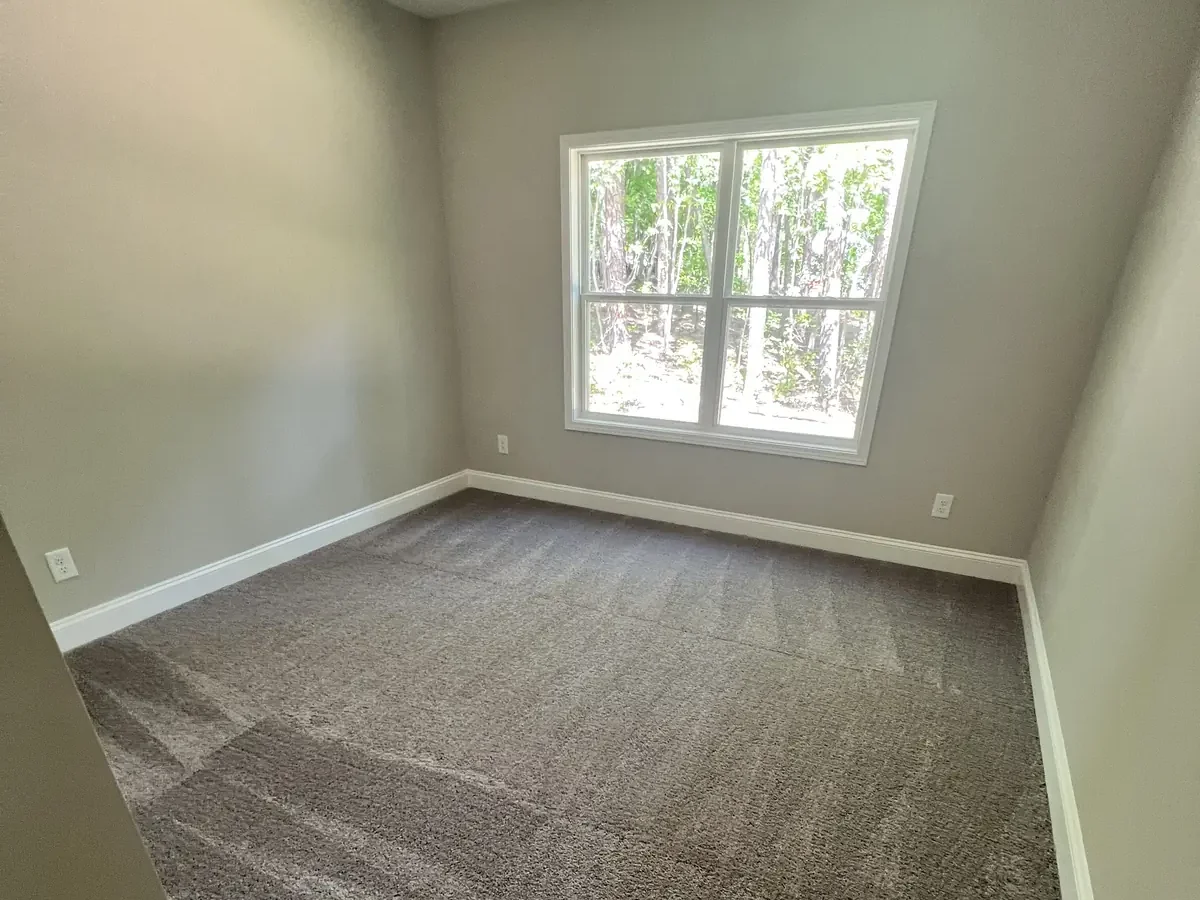
Pick up anything solid first, gently, with a paper towel or a spoon, lifting rather than pressing. Then blot liquid with a stack of plain white towels, standing on them to press the moisture up into the towel. Work from the outside of the spot toward the centre so it does not spread, and keep switching to dry towels until almost nothing comes up.
Next, rinse with a little cool water and blot again. Cool, not hot: heat can set protein stains such as vomit and some food, and it speeds up the reaction that leaves urine marks yellow. Rinse lightly, too. Pouring water on the spot drives the stain deeper into the backing, which is exactly where you do not want it.
Three reasons pet stains come back
If a spot reappears days after cleaning, or the room still smells, one of these is almost always the cause.
It reached the pad
Urine soaks straight through carpet into the pad below. As the surface dries, moisture wicks back up and brings the stain with it. Cleaning the top fibres alone cannot fix that.
Residue in the fibres
Soapy carpet shampoos and some spot sprays leave a sticky film. It looks clean when wet, then attracts dirt and shows as a darker patch where the spot used to be.
The smell is still there
Pets return to places that smell like they have been used before. If odour remains in the backing, the same spot tends to get marked again, which is why getting it out matters.
Products: what helps and what harms
A lot of pet stain advice online does more harm than good. Here is the short list.
Usually safe and useful
- Plain white towels and cool water for the first response
- An enzyme cleaner made for pet urine, used as directed and given time to work
- A wet vacuum or extractor to pull moisture back out
- A blacklight to find old urine spots you cannot see
- Patience: let enzyme products dwell as long as the label says
Best avoided
- Hot water or steam on fresh urine, vomit or blood
- Ammonia cleaners, which can smell like urine to pets
- Hydrogen peroxide or bleach on coloured carpet
- Rubbing or scrubbing, which frays the fibres and spreads the stain
- Heavy perfumes that cover odour without removing it
When it is time for a professional
Old and repeat stains
Urine changes as it dries. Over time it can shift the colour of the carpet dye itself, which no cleaner can reverse. Before that happens, though, a professional treatment can usually remove both stain and smell: a urine treatment applied deep enough to reach the backing, given time to work, then flushed out with hot water extraction and strong suction.
When the pad has to go
If an area has been used repeatedly, or the carpet squelches when you press on it, the pad underneath is often saturated. In that case the honest answer is to lift the carpet, replace that section of pad, treat the subfloor and relay the carpet. It sounds like a lot, but it is far cheaper than replacing a whole room of carpet that still smells.
Wool and natural fibres
Wool carpet and rugs need wool-safe products and lower temperatures, and natural fibre rugs such as sisal and jute stain easily with water alone. If your pet has had an accident on one of these, blot it, keep it dry and get advice before using any product.
Find the spots you cannot see. Turn off the lights and sweep a small UV flashlight across the carpet. Old urine spots usually glow. Mark them with painter tape so they can be treated properly, because a room that smells often has more spots than anyone remembers.
We remove pet stains and odours from carpet in Hyannis, Barnstable and Mashpee, and all over Cape Cod. See our carpet and rug cleaning service, find your town, or read how hot water extraction compares to steam cleaning.
Pet stains on carpet: common questions
Can old pet urine stains be removed?
Often the smell can, and many stains can too. If urine has been there long enough to change the colour of the dye, the mark may lighten but not disappear completely. We will tell you which it is after looking.
Why does the smell come back after cleaning?
Usually because urine reached the pad and backing. As the carpet dries, it wicks back up. Treating only the surface leaves the source underneath.
Are enzyme cleaners safe for carpet?
Most are safe on synthetic carpet when used as directed. Test a hidden spot first, give the product time to work and blot up the excess afterward. Ask before using them on wool.
Is professional pet stain treatment safe for pets?
Yes, when products are used as directed and the carpet is allowed to dry before pets walk on it. Keep pets out of the room until it is dry.
Do I need to replace the carpet?
Rarely. Replacing a section of saturated pad and treating the subfloor solves most persistent odour problems for much less than new carpet.
Want a real number for your carpet?
Tell us the rooms, how many spots and your town. We will reply with a written price, with no pressure and no obligation.
The Sherlock Holmes Cleaning team
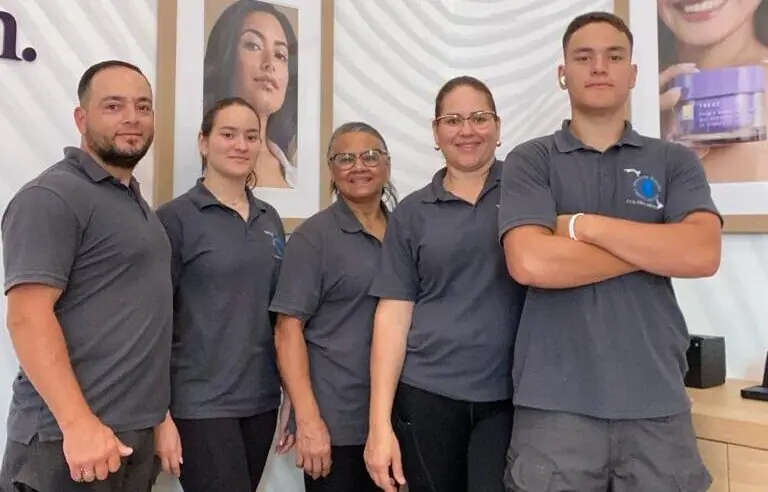
Everything here comes from the crews doing the work, not from a copywriter. We started by cleaning and disinfecting businesses during the pandemic, then reinvested in carpet, upholstery, power washing and restoration equipment. Today we clean houses, seasonal rentals and businesses from Bourne to Provincetown, with insured, background-checked crews and a written price before anyone starts.
Nine services, one crew, the whole Cape
Keep reading
September 13, 2026
Salt Air and Sand: Why Cape Cod Carpets Wear Out Faster
September 7, 2026
Why Cape Cod Windows Get Hazy: Salt Spray Explained
November 9, 2026