Power Washing Cedar Shingles and Decks Before Winter
Cedar is a soft wood and a pressure washer is a strong tool. Here is how to get the green off shingles and decks without fuzzing the grain, forcing water behind the siding or stripping the colour.
Sherlock Holmes Cleaning · Exterior guide
Cedar needs a gentler kind of clean
Cedar shingles are the look of Cape Cod, and they are also one of the easiest surfaces on the house to damage with a pressure washer. Cedar is soft and open-grained. Hit it with a narrow jet at high pressure and the surface fibres tear up, leaving a fuzzy texture that greys unevenly and collects dirt faster than before.
The good news is that most of what makes shingles look tired is alive, not stuck on. Mildew, algae and lichen respond to the right cleaning solution far better than to force. That is the idea behind soft washing, and it is how a cedar house should be cleaned.
Why fall is the right time to wash
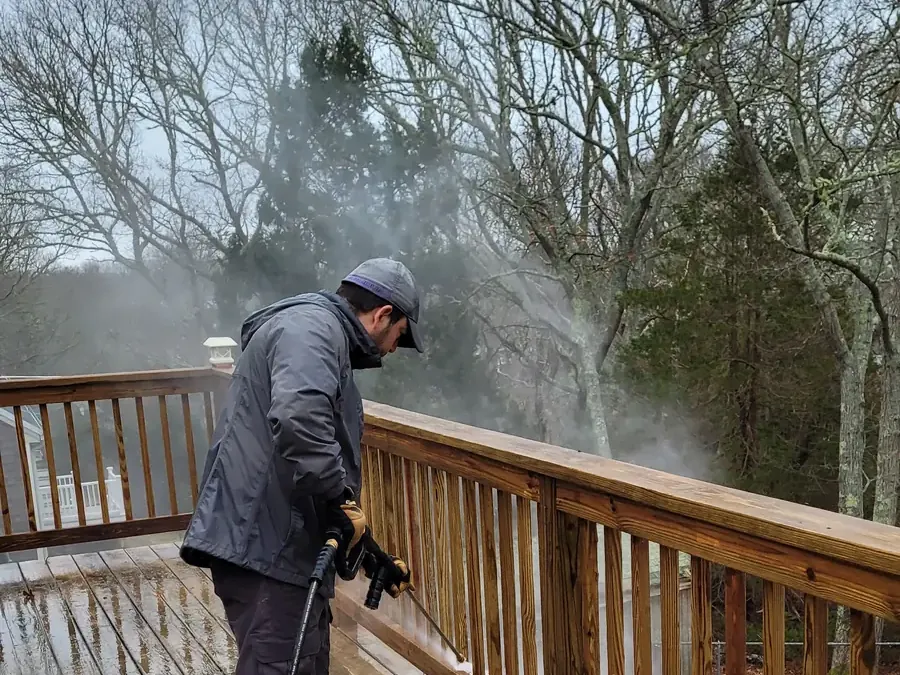
Most people think of power washing as a spring job. On the Cape there is a good case for doing it in early fall instead. Summer leaves pollen, salt film and a season of mildew growth on the shady sides of the house, and whatever stays there sits damp all winter and spreads.
Fall weather helps the work itself, too. Wood needs to dry out completely before it is stained or sealed, usually a couple of days, and stain and sealer labels call for mild, dry days while the finish cures. A wash in September or October leaves time for both before the first hard frost.
What is actually growing on your shingles
That green or black shadow on the north side of a Cape house is almost never plain dirt. It is usually one of three things.
Green algae
A thin green film on the shady, damp sides of the house and on deck boards under trees. It is slippery underfoot and lifts off easily with the right solution.
Black mildew
Dark specks and streaks, especially under eaves and around trim. Mildew lives on the surface and feeds on dirt and pollen, so it comes back fastest on houses that are rarely washed.
Lichen and moss
Crusty grey-green patches on older shingles and roofs. They hold moisture against the wood for months, which is what eventually softens and splits a shingle.
Soft washing vs. pressure washing
Both use the same machine. The difference is what does the work: chemistry or force. Shingles get the first, decks and walkways can take a measured amount of the second.
Cedar shingles and trim
- Low pressure, closer to a strong garden hose than a pressure washer jet
- A mildewcide and surfactant solution that kills growth at the root
- Dwell time, so the solution does the work instead of the water
- A gentle rinse aimed down and with the courses, never up under them
- Plants and shrubs wet down before and rinsed off after
Decks and walkways
- Moderate pressure with a wide fan tip, never a zero-degree jet
- The wand kept moving along the grain at a steady distance
- Pressure-treated pine tolerates more than a cedar deck does
- A brightener afterward to even out the colour on cedar and mahogany
- At least a couple of dry days before any stain or sealer goes on
The damage to avoid, and how to spot it
Water behind the shingles
Shingles are designed to shed water running down them. Spray upward from below and the water is driven under each course, past the building paper and into the sheathing. It does not show for weeks, and then it shows as peeling interior paint, swollen trim or a musty closet on an outside wall. A careful crew sprays down the wall, never up.
Furred grain and stripes
If your shingles or deck look fuzzy, or you can see lighter stripes where a wand swept back and forth, the wood was washed with too much pressure or from too close. Light furring can be sanded off a deck. On shingles it usually has to weather back over time, which is why prevention matters more than repair.
Uneven colour
Weathered cedar turns a silvery grey on its own, and that colour is part of the Cape look. Strong bleach mixes can lighten some patches more than others and leave the house blotchy. Tell your crew whether you want the natural grey kept or the wood brightened back toward its original tone, because the products are different.
Check this from the ground. Run your hand down a shingle on the north side of the house. If your fingers come away green, or the wood feels soft rather than firm, the growth has been there long enough to hold moisture. That is the wall to clean first.
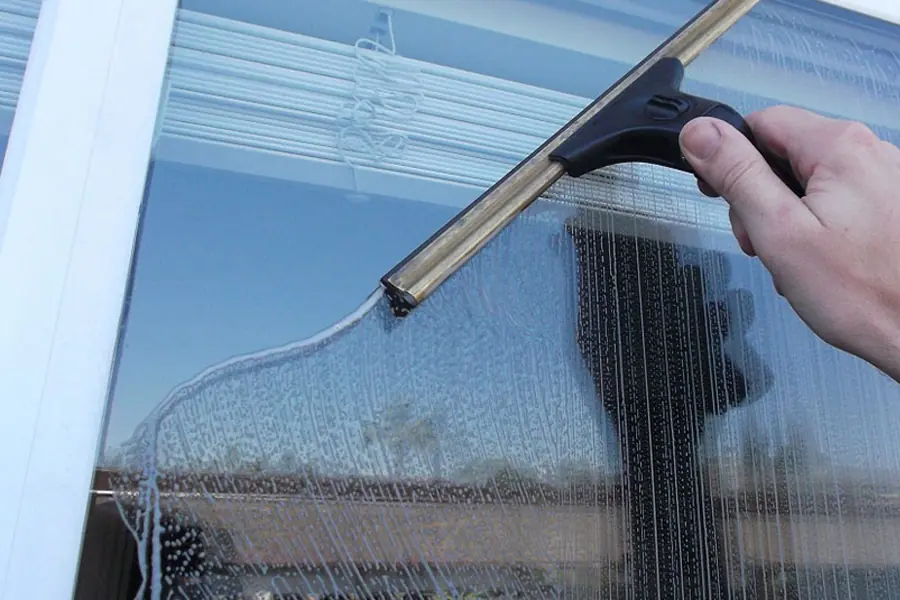
We power wash homes and decks in Chatham, Falmouth, Yarmouth and every other town on the Cape. Learn more about our power washing service, or find your town. Salt film on glass is a separate job, and our post on why Cape Cod windows get hazy explains why.
Power washing on Cape Cod: common questions
Can you power wash cedar shingles?
Yes, with low pressure and a cleaning solution, which is called soft washing. High-pressure washing tears the surface of cedar and can force water behind the shingles, so it is the wrong tool for the walls.
How often should a Cape Cod house be washed?
Every one to two years for most homes. Houses under trees, near marshes or with a lot of north-facing wall grow mildew faster and may need it every year.
Is the cleaning solution safe for plants?
When it is mixed at the right strength and the plants are wet down before and rinsed after, yes. Runoff is the main risk, so a careful crew protects the beds along the foundation while it works.
When can I stain my deck after washing?
Give it at least two dry days, longer after a cool or humid spell. The wood should feel dry to the touch, and a few drops of water should soak in rather than bead up.
Do you wash decks, patios and walkways too?
Yes. Decks, patios, walkways and fences can all be part of the same visit. Each surface gets the pressure and tip it can safely take.
Ready to get the green off?
Tell us the surfaces, roughly how big the house or deck is, and your town. We will send a written price before anyone sets up a ladder.

The Sherlock Holmes Cleaning team
Everything here comes from the crews doing the work, not from a copywriter. We started by cleaning and disinfecting businesses during the pandemic, then reinvested in carpet, upholstery, power washing and restoration equipment. Today we clean houses, seasonal rentals and businesses from Bourne to Provincetown, with insured, background-checked crews and a written price before anyone starts.
Nine services, one crew, the whole Cape
Keep reading
November 9, 2026
Insured, Bonded and Background-Checked: What Each One Means
September 21, 2026
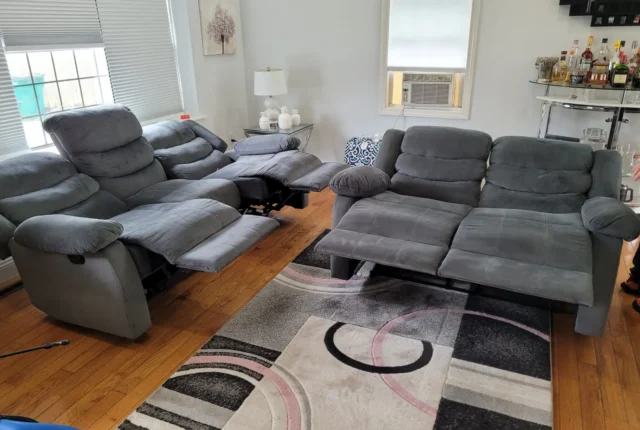
Upholstery Cleaning by Fabric Type: A Practical Guide
September 16, 2026