Eco-Friendly Cleaning Products: What Works and What’s Marketing
Natural, non-toxic, plant-based. The words on the label sound reassuring, but most of them are not standards. Here is how to tell a greener product from a greener-looking one, and where eco products fall short.
Sherlock Holmes Cleaning · Products guide
Most green words are not standards
Natural, non-toxic, plant-based, eco. The words on cleaning labels sound reassuring, but most of them are marketing rather than certifications. A product can be called natural and still contain harsh ingredients, and a bottle with a leaf on it says nothing about how it performs.
That does not mean greener cleaning is a myth. It means the claim needs to be backed by something you can check. A few third-party labels do mean something, and a few habits, such as using less product and better cloths, reduce the chemistry in your home more than any single bottle.
Labels that actually mean something
Look for a recognised third-party certification rather than an adjective. In the US, the most common ones on cleaning products are the EPA Safer Choice label, Green Seal and UL ECOLOGO. Each has published criteria for ingredients and, in most cases, for how well the product cleans. They are not perfect, but they are standards someone outside the company has checked.
Disinfectants are a separate category. Any product that claims to kill germs has to be registered with the EPA and carry an EPA registration number on the label. That number is how you know the kill claims were reviewed. Some registered disinfectants are built on gentler active ingredients, such as hydrogen peroxide, citric acid or thymol, and they are a reasonable choice where disinfection is actually needed.
Three things vinegar cannot do
Vinegar is the poster child of green cleaning. It is useful for some jobs, and the wrong choice for others.
Disinfect reliably
Vinegar is not an EPA-registered disinfectant. It cuts mineral deposits well, but it is not a substitute for a registered product where germs are the concern, such as after illness.
Clean stone and grout
Acid etches marble, travertine and limestone, and slowly roughens cement grout. On those surfaces it causes the dull spots and stains it is supposed to fix.
Mix with other products
Vinegar with bleach releases chlorine gas. Never combine cleaning products, green or not, and never store them in unlabelled bottles.
Greener habits that matter more
Product choice is only part of it. The way cleaning is done often makes a bigger difference.
Use less, better
- Measure concentrates instead of pouring by eye
- Spray the cloth, not the surface, to cut overspray
- Let a product dwell instead of adding more
- Choose fragrance-free when you can: scent does not mean clean
- Buy concentrates and refills to cut plastic
Better tools
- Microfiber cloths, which pick up far more soil than cotton
- Separate colour-coded cloths for kitchens and bathrooms
- HEPA vacuums to hold fine dust instead of blowing it back out
- Mops and cloths washed after every use
- Good ventilation while cleaning, with a window open
When gentler is not enough
After illness
When someone in the house has been sick, the goal changes from clean to disinfected. Clean the surface first, then use a registered disinfectant and leave it wet for the contact time on the label, which can be several minutes. Wiping it off straight away is the most common reason disinfection does not work.
Mold and mildew
In humid Cape houses, mildew in showers and on window frames is common. Gentle cleaners can remove surface growth, but persistent or widespread mold, especially after water damage, needs the moisture source fixed and proper remediation, not just a spray.
Heavy grease and buildup
Kitchen grease, hard water scale and years of soap scum often need a stronger product or more mechanical effort. The greener approach is to use the right product once, correctly, rather than a weak one repeatedly.
A quick label check. Before you buy, turn the bottle around. Look for a third-party certification mark, a full ingredient list and, if it claims to kill germs, an EPA registration number. If the front is all adjectives and the back has none of those, the green part is mostly the packaging.
We clean homes and businesses in Hyannis, Yarmouth and Dennis, and in every other town on the Cape. See our house cleaning service, find your town, or read why grout darkens and how it is restored.
Green cleaning: common questions
Are eco-friendly cleaning products as effective?
Many are, for everyday cleaning. Certified products are tested for performance as well as ingredients. Where disinfection or heavy buildup is involved, a stronger or registered product may still be needed.
Is vinegar a disinfectant?
Not a registered one. It is good for mineral deposits and some glass cleaning, but it should not replace an EPA-registered disinfectant when killing germs is the goal.
What does EPA Safer Choice mean?
It is an EPA program that labels products whose ingredients meet its safety criteria and that perform well. It is one of the more reliable green labels on US cleaning products.
Can I ask a cleaning company to use my products?
It is worth asking. Many households have preferences for allergies, pets or scent, and a good company will discuss what it uses and why.
Are green products safer for pets?
Often, but not automatically. Some natural ingredients, including certain essential oils, can be harmful to pets. Check the label and ask your vet if you are unsure.
Questions about products?
Tell us about your home, any sensitivities and your town. We will reply with a written price and talk you through what we use, with no pressure and no obligation.
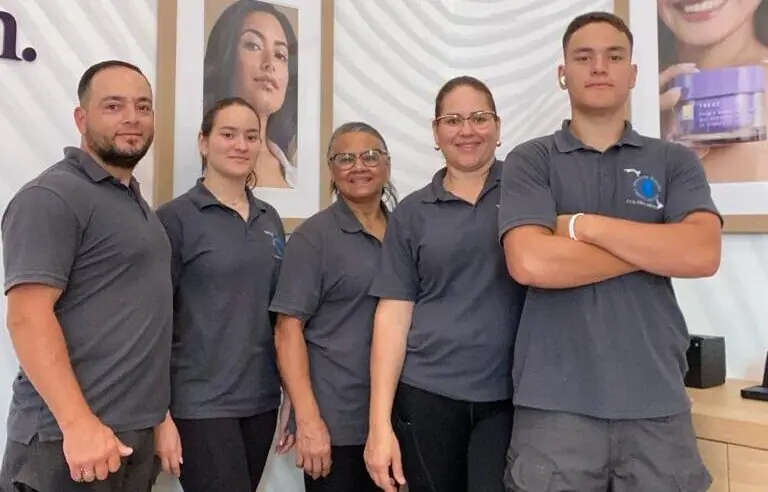
The Sherlock Holmes Cleaning team
Everything here comes from the crews doing the work, not from a copywriter. We started by cleaning and disinfecting businesses during the pandemic, then reinvested in carpet, upholstery, power washing and restoration equipment. Today we clean houses, seasonal rentals and businesses from Bourne to Provincetown, with insured, background-checked crews and a written price before anyone starts.
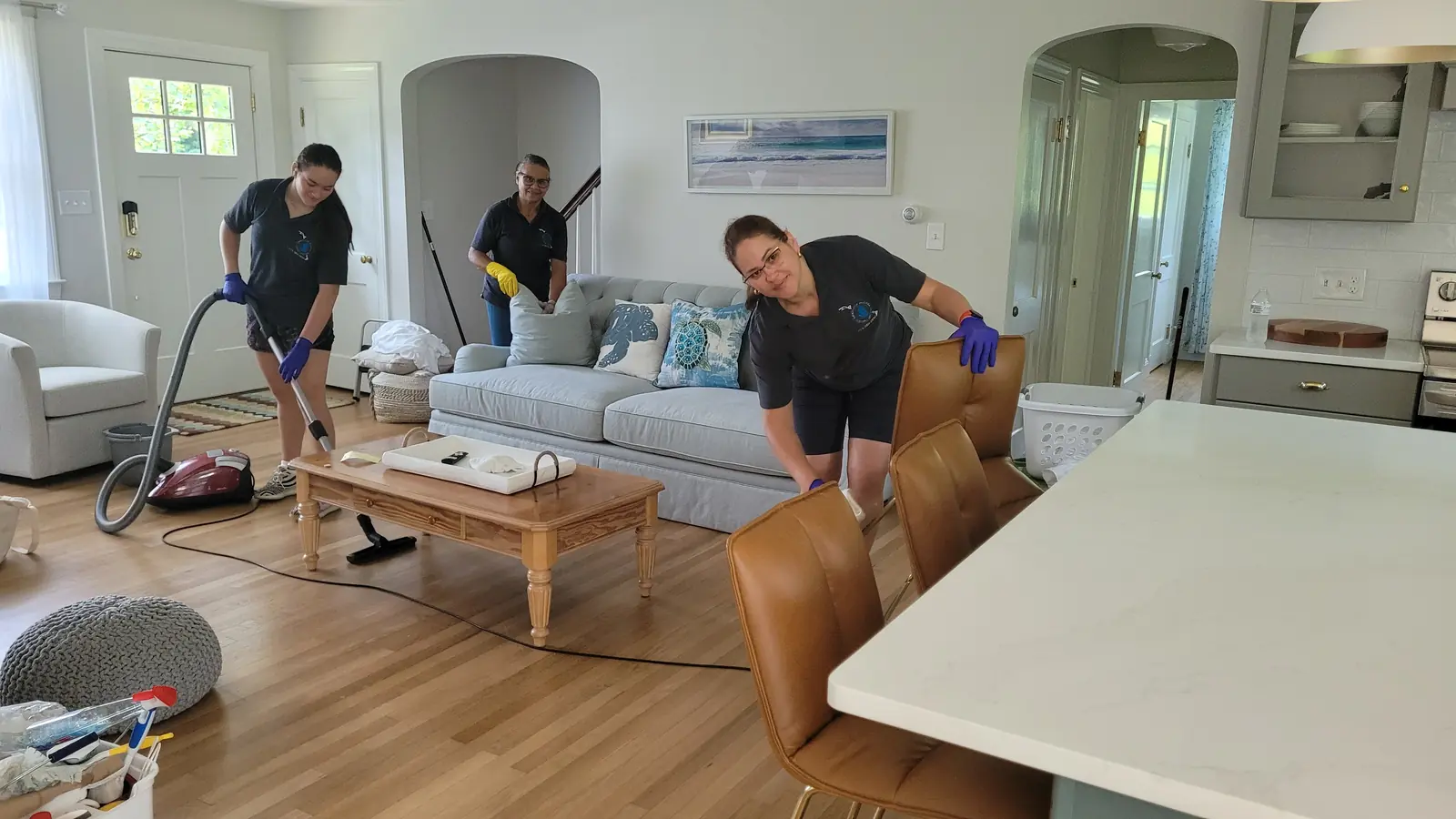
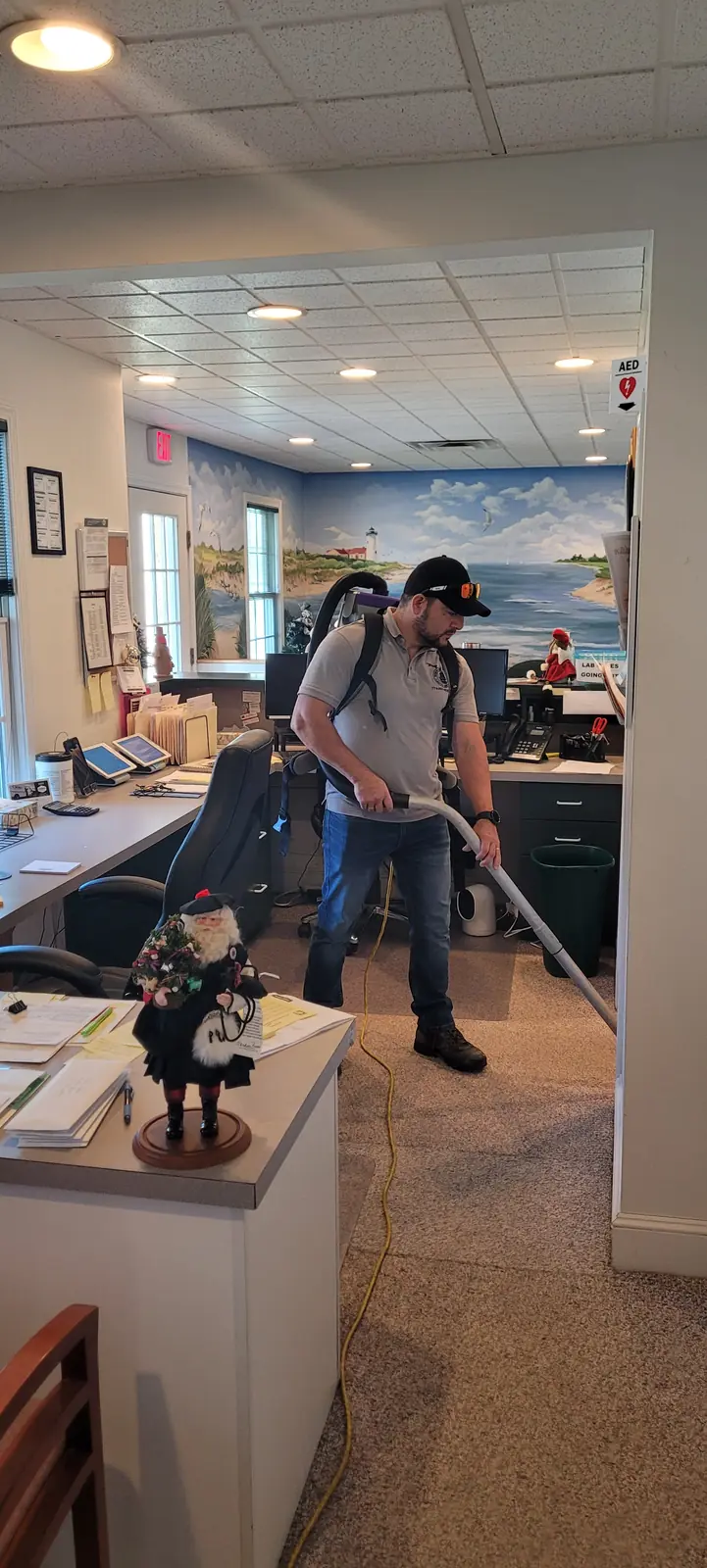
Nine services, one crew, the whole Cape
Keep reading
September 4, 2026
First 24 Hours After a Basement Flood: What to Do
October 12, 2026
Strip and Wax: How Often Commercial Floors Actually Need It
October 2, 2026